2024 Chemical Supply Watch: Navigating Shortages in Manufacturing, Food Processing, and Water Treatment
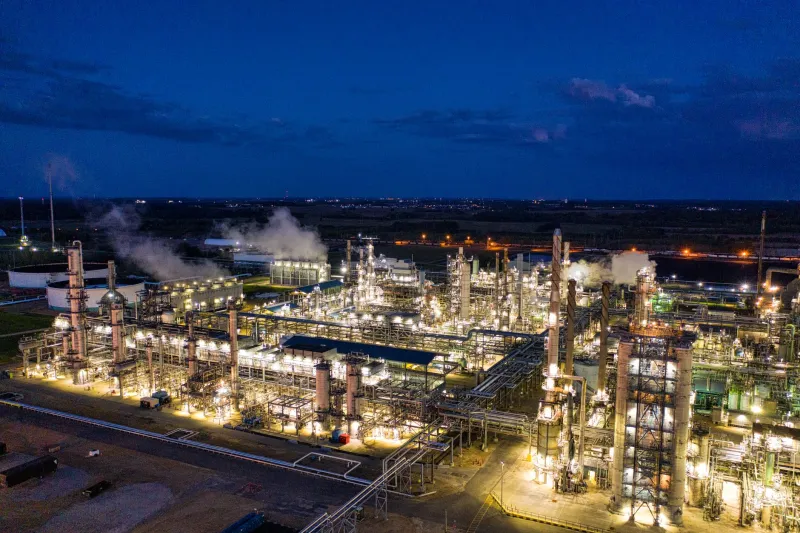
The industrial chemical market in 2024 presents procurement professionals with a landscape that rewards preparation and penalizes complacency. While the most acute disruptions of the early post-pandemic period have moderated, a new set of supply constraints—driven by a distinct combination of geopolitical pressures, domestic capacity limitations, and evolving regulatory requirements—is creating meaningful tightness in several chemical categories that US manufacturers, food processors, and water utilities depend upon.
This analysis draws on current market conditions and supply chain indicators to identify the sectors and chemical categories most at risk, explain the structural factors driving those risks, and provide actionable procurement guidance for organizations seeking to maintain operational continuity through a period of continued market uncertainty.
The Current Supply Landscape: Key Pressure Points
Industrial Manufacturing Inputs
Several chemical categories critical to US manufacturing operations are experiencing supply tightness in 2024. Specialty solvents used in coatings, adhesives, and electronics manufacturing have seen lead time extensions at multiple major suppliers, driven in part by feedstock availability constraints and in part by increased demand from reshoring manufacturing initiatives that are adding domestic production capacity faster than chemical supply chains can scale to meet it.
Epoxy resins and curing agents represent another area of concern. The global supply of bisphenol A (BPA), a key epoxy precursor, has been affected by production disruptions at several major facilities, contributing to price volatility and allocation constraints downstream. Manufacturers in the aerospace, construction, and wind energy sectors—all of which are experiencing strong demand—are competing for limited epoxy supply with direct implications for lead times and pricing.
Industrial lubricants and metalworking fluids are also under pressure, partly due to base oil availability and partly due to increased consumption from expanded domestic manufacturing activity. Procurement teams in automotive and precision manufacturing should be monitoring their lubricant supply positions carefully.
Food Processing Chemicals
The food and beverage processing sector faces a distinct set of chemical supply challenges. Food-grade sanitizers and cleaning compounds—essential for maintaining hygiene standards in processing facilities—have experienced intermittent availability issues tied to both raw material constraints and the continued high demand from food safety compliance requirements.
Sodium hypochlorite and quaternary ammonium compounds (quats), two of the most widely used sanitation agents in food processing environments, have both seen periods of constrained availability in 2024. Food processors operating under USDA or FDA oversight cannot simply substitute non-approved alternatives when their primary sanitizing agents become unavailable—the regulatory approval process for alternative compounds can take weeks or months, a timeline entirely incompatible with operational urgency.
Food-grade phosphoric acid, used in both cleaning applications and as a pH adjuster in beverage production, has also been subject to pricing pressure and lead time variability. Facilities that have not established secondary sourcing arrangements for this compound should consider doing so before market conditions tighten further.
Water Treatment Compounds
Perhaps the most consequential supply constraints from a public health perspective are those affecting the water treatment sector. Chlorine—in its various forms, including liquid chlorine, sodium hypochlorite, and calcium hypochlorite—remains the cornerstone of drinking water disinfection across the United States. Supply disruptions in this category do not merely affect operational efficiency; they have direct implications for public health.
The water treatment chemical sector has been navigating supply challenges since a major chlorine production facility in Louisiana was destroyed by fire in 2020, a loss that removed a significant share of domestic calcium hypochlorite production capacity. While the market has partially adjusted, domestic production capacity has not fully recovered, leaving water utilities and industrial water treatment operators with reduced supply buffers.
Alum and ferric sulfate, widely used as coagulants in water and wastewater treatment, have also experienced pricing increases and lead time extensions in some regions. Water system operators managing infrastructure upgrades or expansions should factor these supply conditions into their procurement planning.
Early Warning Signs Procurement Teams Should Monitor
Experienced procurement professionals know that chemical supply disruptions rarely appear without warning. The challenge is developing the market intelligence infrastructure to detect early signals before they become operational emergencies. Several indicators are worth monitoring systematically:
Feedstock price movements. Many industrial chemicals are derived from petrochemical feedstocks whose prices fluctuate with energy markets. Sustained increases in feedstock costs frequently precede price increases or allocation constraints at the finished chemical level. Monitoring commodity indices for relevant feedstocks provides an early signal of potential downstream tightness.
Shipping rate indicators. Chemical imports are sensitive to ocean freight conditions. Elevated rates on key trade lanes—particularly trans-Pacific and Asia-to-US routes—can signal impending supply constraints for chemicals with significant import dependence.
Supplier lead time trends. A gradual extension of quoted lead times from your current suppliers is one of the most direct early warning signals available. If lead times that were running four to six weeks begin extending toward eight to twelve weeks, supply tightness is likely developing. Waiting until a supplier formally announces an allocation program to take action is almost always too late.
Regulatory developments. New or amended environmental regulations affecting chemical production facilities can constrain supply with relatively little advance notice. Monitoring EPA rulemaking activity and state-level regulatory developments in major production regions provides useful forward visibility.
Practical Procurement Strategies for a Constrained Market
Understanding the supply landscape is only useful to the extent that it informs action. The following strategies represent practical steps organizations can implement to reduce their exposure to chemical supply disruptions:
Qualify secondary suppliers now, not during a shortage. The time to identify and qualify alternative chemical sources is before your primary supplier has a problem, not after. Secondary qualification processes—including technical testing, documentation review, and trial orders—take time and should be initiated proactively.
Review safety stock levels against current lead times. If your inventory minimums were set when lead times were shorter or supply was more predictable, they may no longer provide adequate protection. Recalculating safety stock requirements based on current and anticipated lead times is a straightforward exercise that can prevent costly production interruptions.
Engage suppliers in forward planning conversations. Many suppliers have visibility into their own production constraints and market conditions that they will share with customers who ask. Regular conversations with supplier account managers—focused explicitly on supply outlook rather than just current orders—can provide intelligence that is not available through any other channel.
Explore formulation flexibility where technically feasible. In some applications, alternative chemical compounds can perform equivalent functions. Working with your technical team and your chemical supplier to identify alternative formulations before a shortage forces the issue gives you the time to conduct proper evaluation and, where necessary, seek regulatory approvals.
Alcatras Chemicals: A Stable Partner in an Uncertain Market
Alcatras Chemicals maintains strategic inventory positions across the chemical categories most critical to our customers' operations. Our domestic supply infrastructure and established supplier relationships are designed to provide continuity of supply even when broader market conditions are challenging. We actively monitor supply chain developments in the categories we serve and communicate proactively with our customers when we identify potential constraints on the horizon.
In a market environment where supply disruptions are a recurring feature rather than an exceptional event, the value of a well-positioned, market-aware chemical partner cannot be overstated. We encourage procurement teams facing supply uncertainty to contact our team to discuss their specific requirements and explore how Alcatras Chemicals can support their operational continuity objectives.